Goechala trek
About
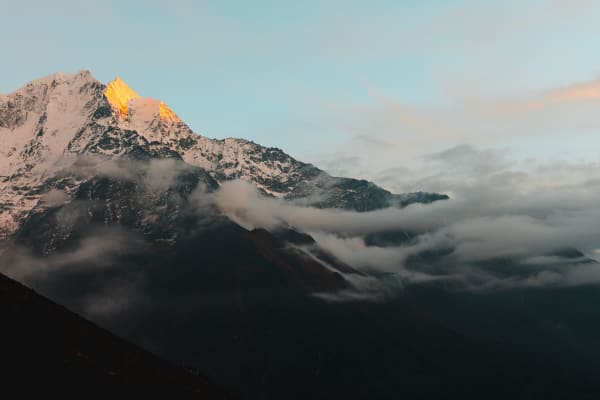
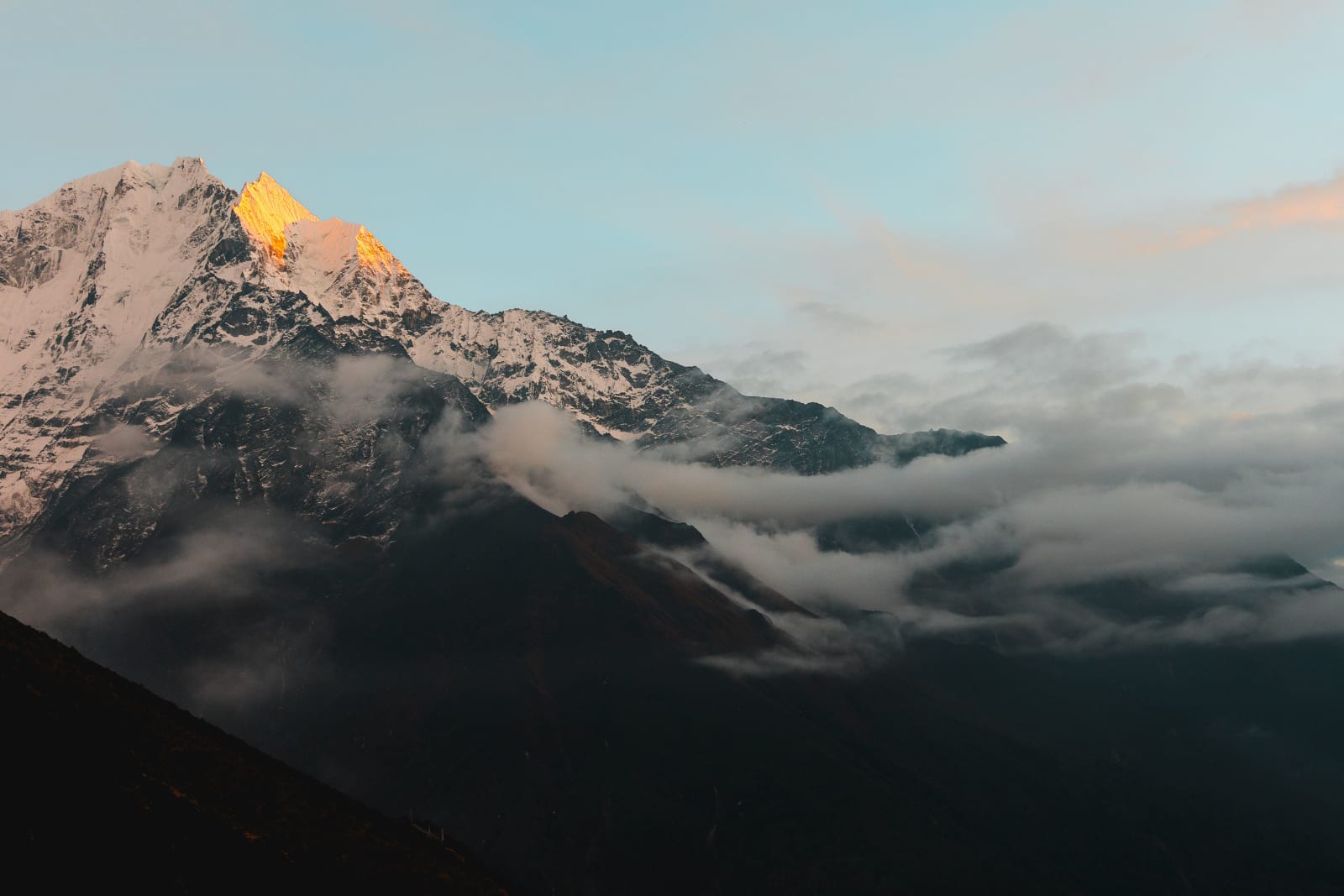
Goechala is the Himalayan trek every serious trekker has on their list, a high mountain pass at around 4,940 m in West Sikkim that puts you eye to eye with Kanchenjunga, the world's third-highest peak. Starting from the heritage town of Yuksom and running through the protected forests of Kanchenjunga National Park, this is one of India's most rewarding high-altitude routes.
What makes it special:
- The closest you can get to Kanchenjunga without actually climbing it, plus views of up to 14 other Himalayan giants
- A journey through Dzongri and the glassy, mirror-like Samiti Lake, two of the most photographed spots in Sikkim
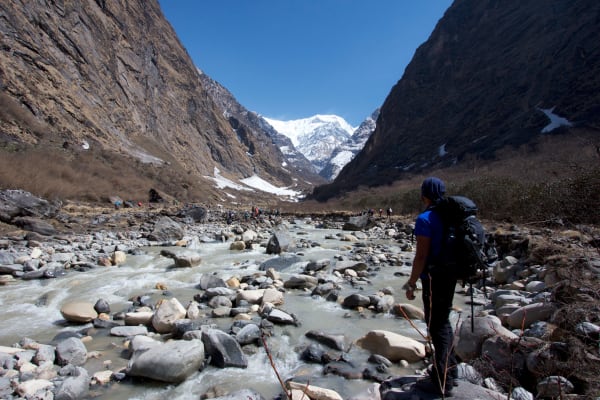
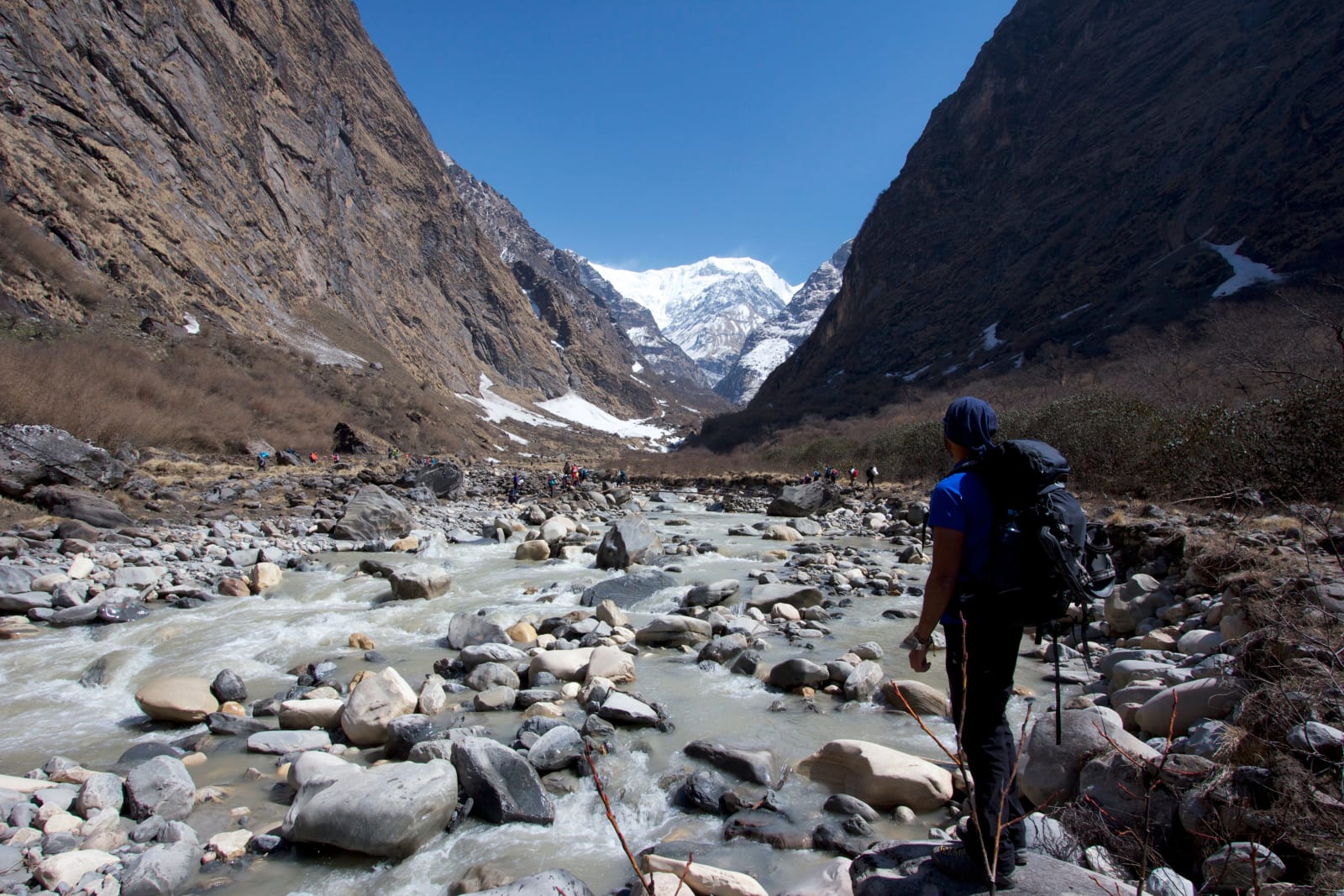
- A genuine wilderness trail through rhododendron forests, suspension bridges, and high alpine meadows inside Kanchenjunga National Park
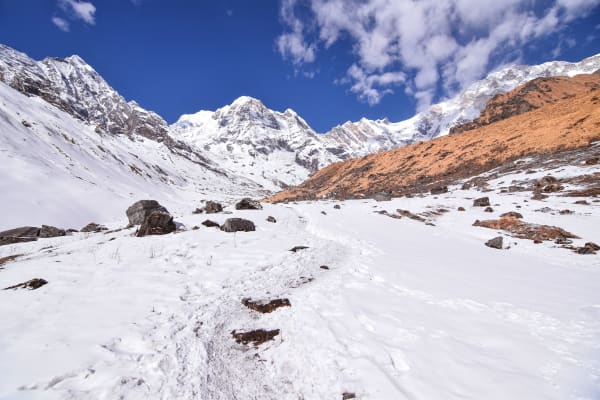
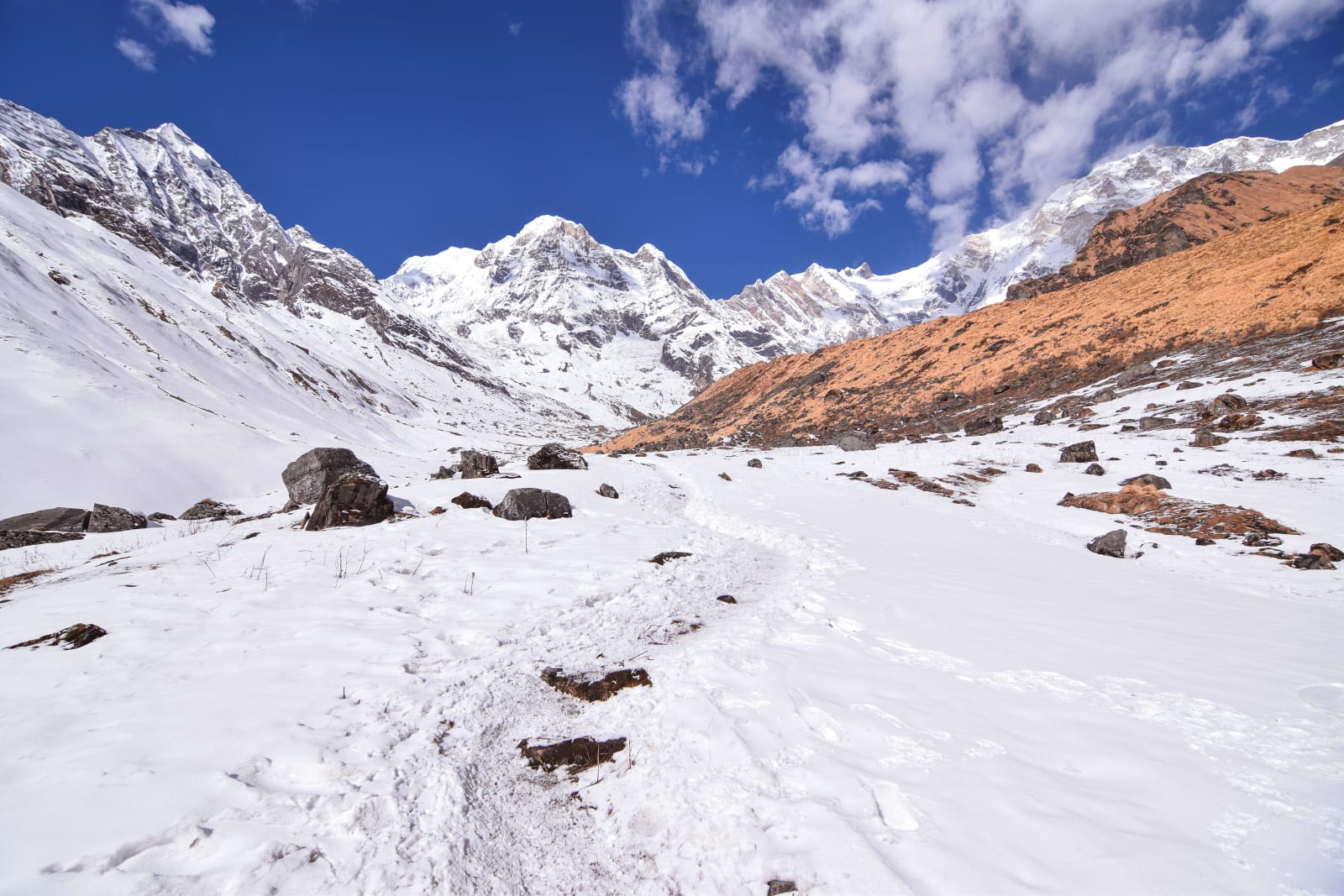
Across 8 to 11 days of trekking, walkers move from subtropical forest to bare alpine terrain and finally to the viewpoint at Goecha La itself. Goechala isn't a trek you tick off; it's one you earn.
Getting There
Goechala sits in West Sikkim, and every trekker first makes their way to Yuksom, the historic former capital that serves as the trek's starting point. The nearest railhead is New Jalpaiguri (NJP), roughly 150 km away, and the nearest airport is Bagdogra, about 155 km away, both near Siliguri in West Bengal. From either, it's a long but scenic 7 to 9 hour drive to Yuksom via Jorethang.
The best trekking windows are from the end of April to May and September to November, when skies are clear, and trails are at their best. Permits are mandatory since the route runs through Kanchenjunga National Park, and trekkers register and pay forest fees at Yuksom before setting off. Plan to reach NJP or Bagdogra a day early so you're not racing the clock on the long drive in, and budget for porter, yak, and camping costs on top of your trek package.