EscapeBuddy
List Your Adventure
Har Ki Dun Trek in Uttarakhand

Har Ki Dun Trek

Moderate 7 Days 4.8 (1,620) 📍 Dehradun, Uttarakhand

About

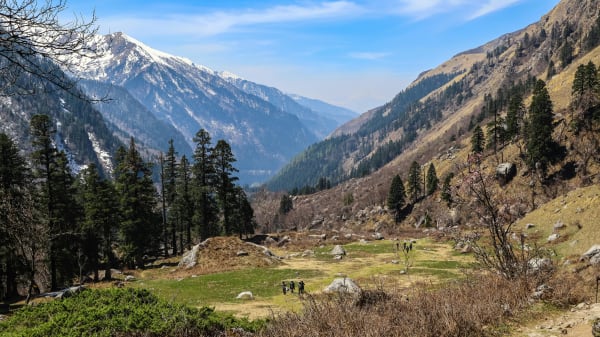
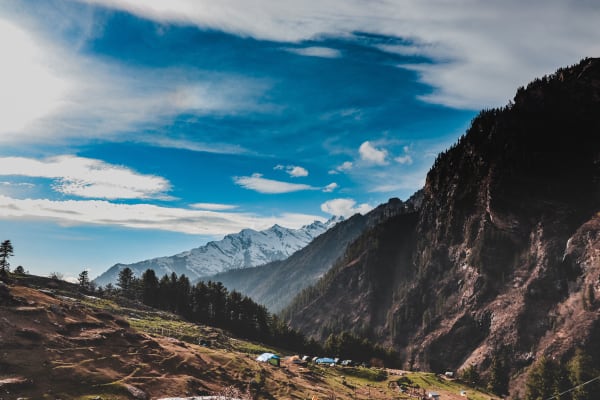
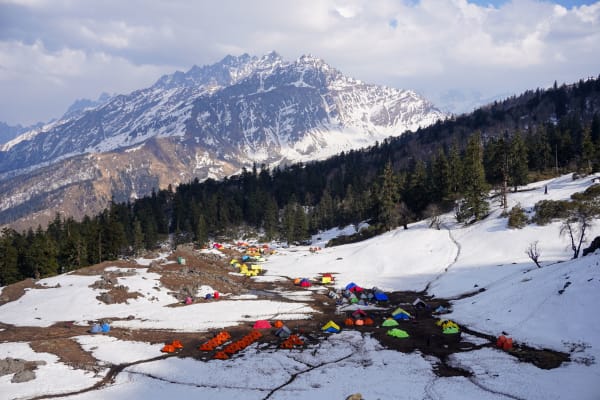
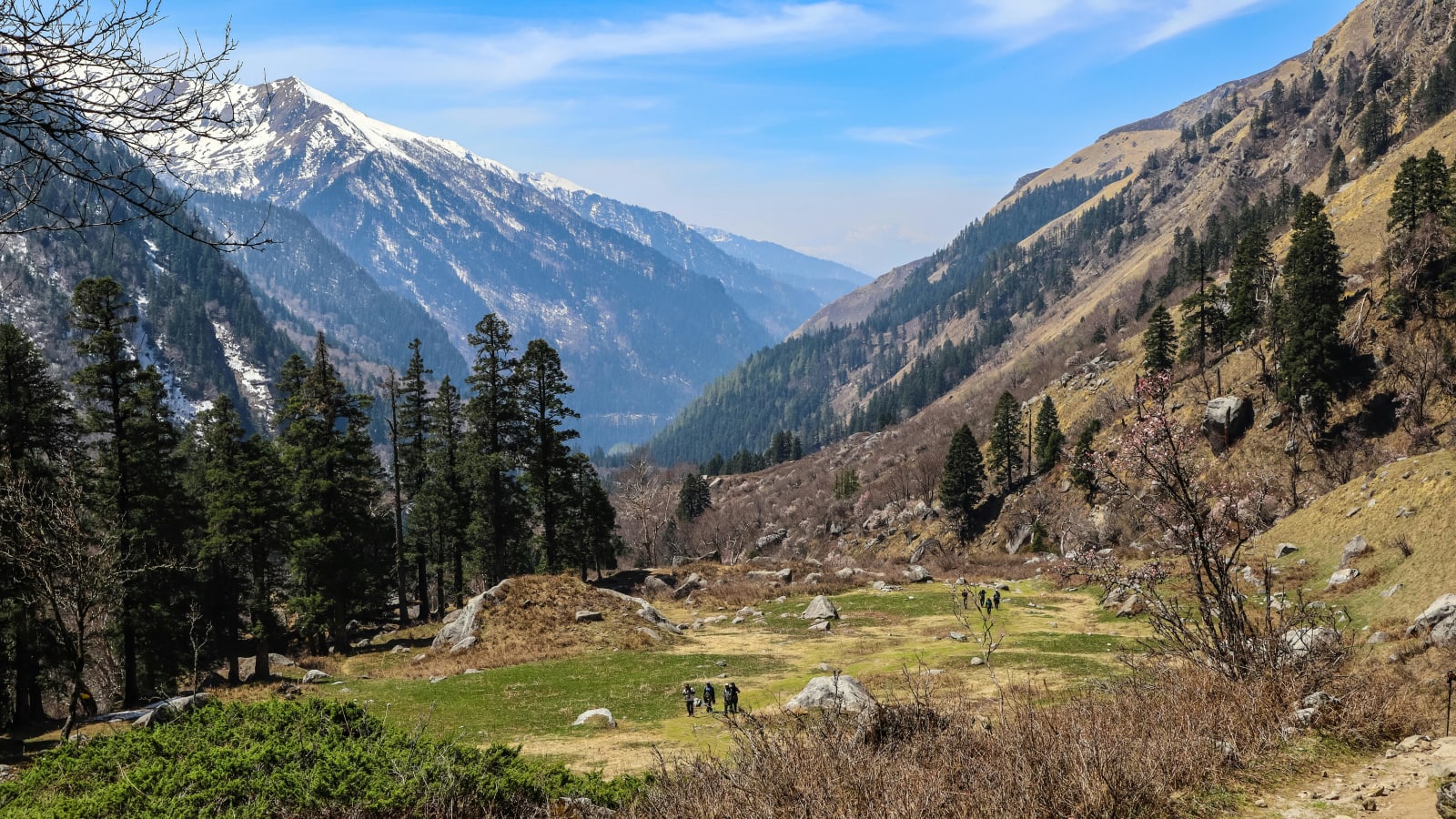
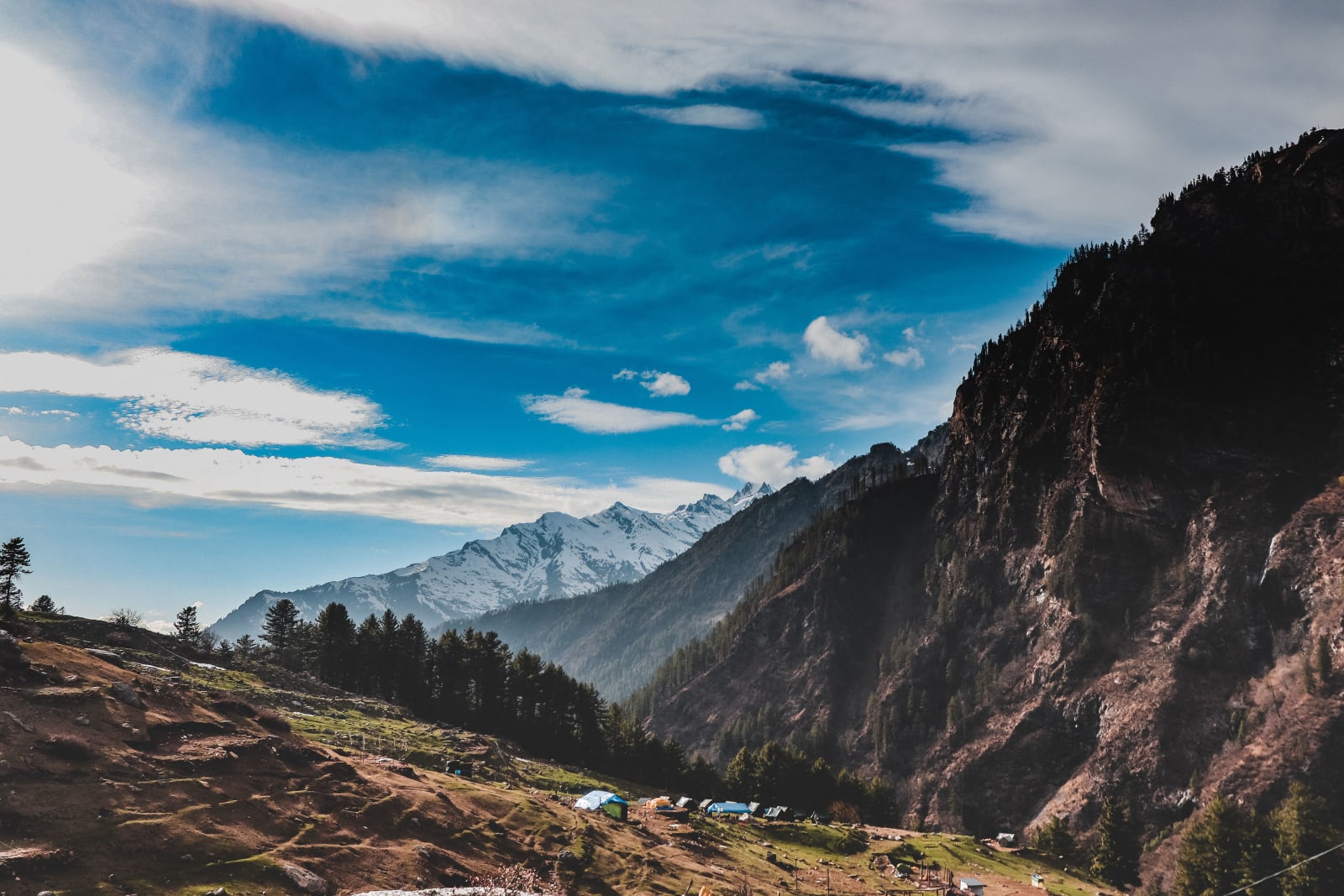
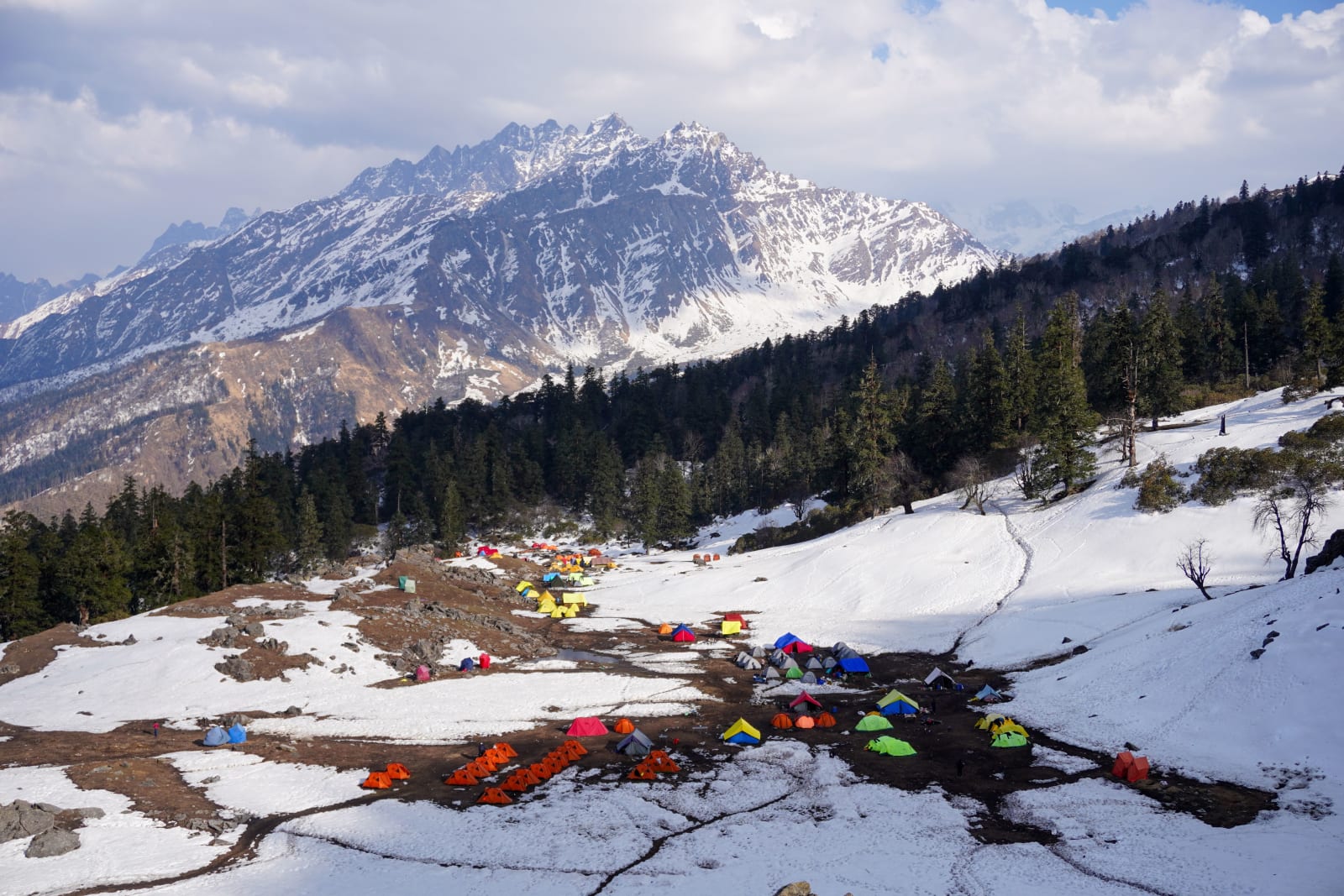
The Har Ki Dun trek leads into a cradle-shaped glacial valley in Uttarakhand known as the "Valley of Gods". Sharing the Sankri trailhead with Kedarkantha, it's a longer, more remote walk through ancient Garhwali villages, dense pine and deodar forest and open alpine meadow, with the twin Swargarohini peaks looming at the head of the valley.

What makes it special:

  • The centuries-old villages of Osla and Seema, with wooden temples older than most hill towns
  • Constant views of Swargarohini I, II and III at the valley head on clear mornings
  • A quieter, more cultural trek than the popular summit routes — meadows, river crossings and Pahadi homestay food

It's best treated as a second Himalayan trek rather than a first, rewarding a slower pace and time spent in the villages along the way.

Getting There

Like Kedarkantha, the trek starts from Sankri, roughly 190–200 km from Dehradun and a 7–9 hour drive away. Jolly Grant Airport (Dehradun) and the Dehradun railway station are the nearest air and rail heads, both linked to Delhi by overnight trains and flights.

The route runs through Govind Pashu Vihar National Park, so a forest permit is needed — operators handle this at Sankri. From the base village the motorable road continues a short way to Taluka before the walk begins. Start the journey from Dehradun early so you reach Sankri in daylight.

FAQs

When's the best season for Har Ki Dun? +
April–June and September–November. The Valley of Gods is at its lushest in early summer, and clearest skies come post-monsoon in October. Skip July–August unless you enjoy heavy rain and leeches. Winter is possible (December–March) but snow conditions make it harder than Kedarkantha.
How does it compare to Kedarkantha? +
A step up. Longer (7 days vs 6), more remote, and the ancient villages on the route (Osla, Seema) give it a different character. Distance per day averages 12–14 km. Best as a second Himalayan trek rather than a first.
How fit do I need to be? +
Solidly fit. You should be comfortable walking 6–8 hours a day with a 6–7 kg daypack. 6–8 weeks of consistent cardio prep is the realistic baseline. Strong knees matter on the descents — add some stair-descent practice.
Is the Swargarohini view actually visible? +
From Har Ki Dun meadow, yes — Swargarohini I, II, III dominate the head of the valley on clear days. From the trail itself, you get glimpses through pine sections. Sunrise and post-monsoon mornings have the highest probability of clear views.
Are the villages worth slowing down for? +
Absolutely. Osla has wooden temples that pre-date most of the towns you've heard of. Local Pahadi food at homestays is part of the trek's draw, not a bonus. Build in time for tea stops — operators usually plan for this.