EscapeBuddy
List Your Adventure
Kedarkantha Trek in Uttarakhand

Kedarkantha Trek

Moderate 6 Days 4.9 (1,000) 📍 Dehradun, Uttarakhand

About

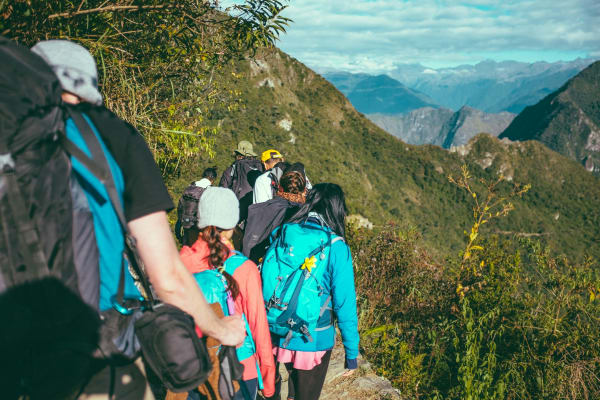
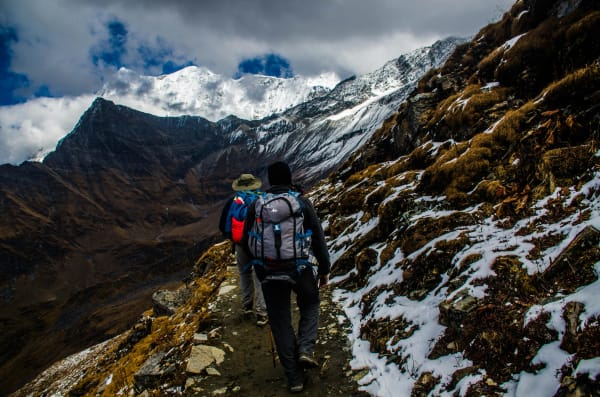
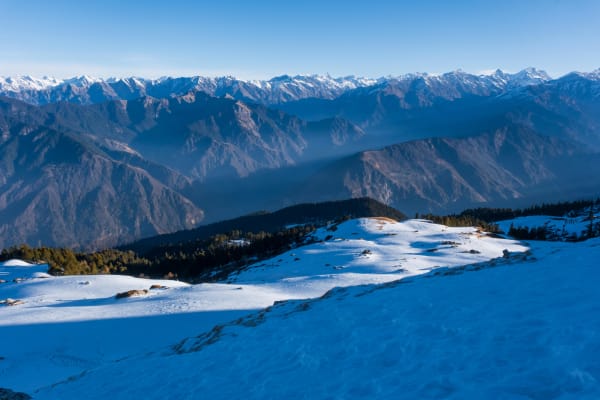
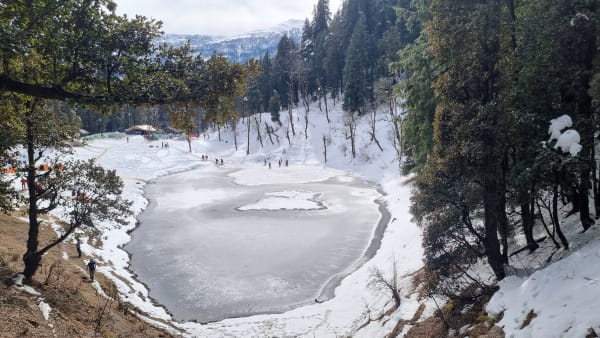
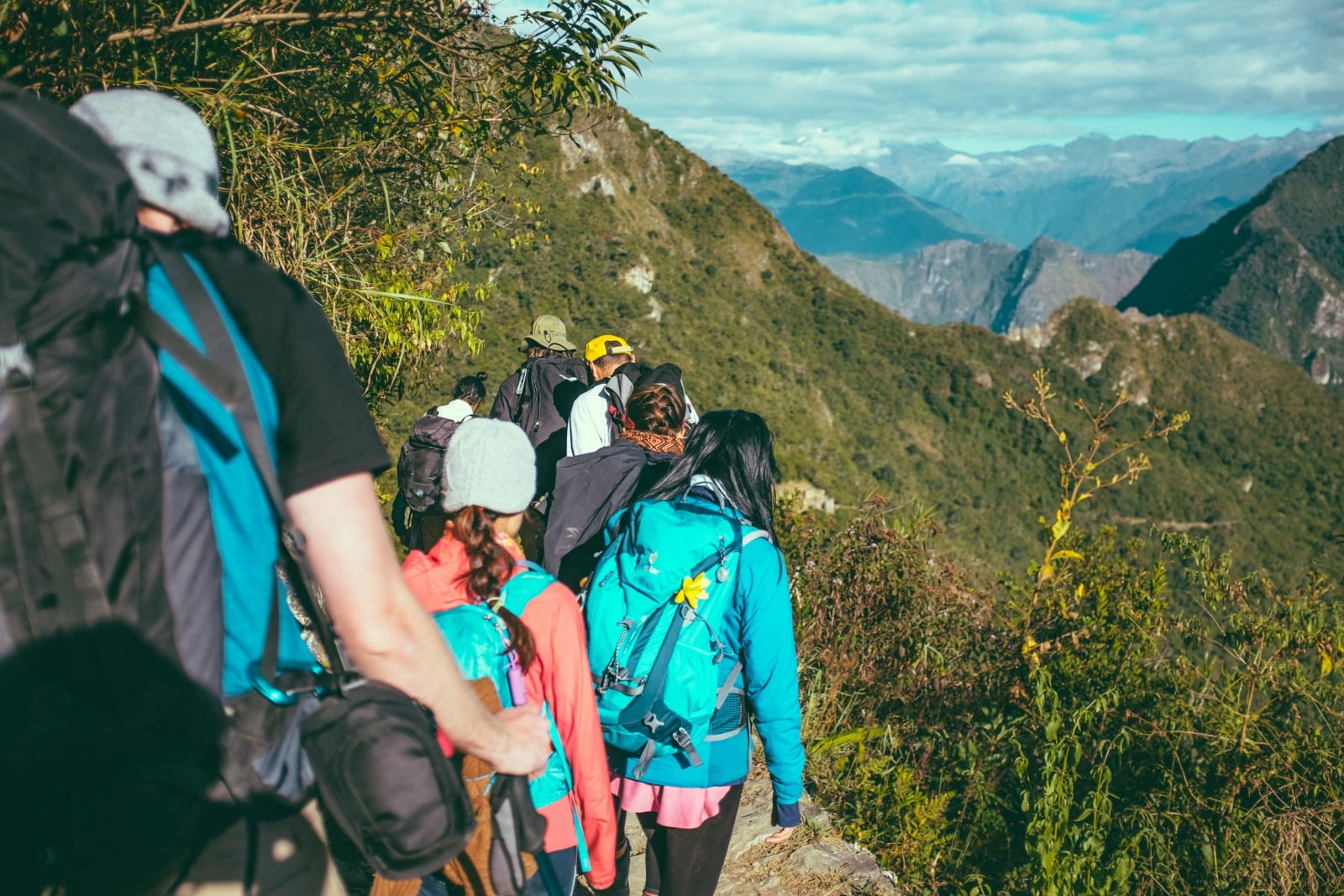
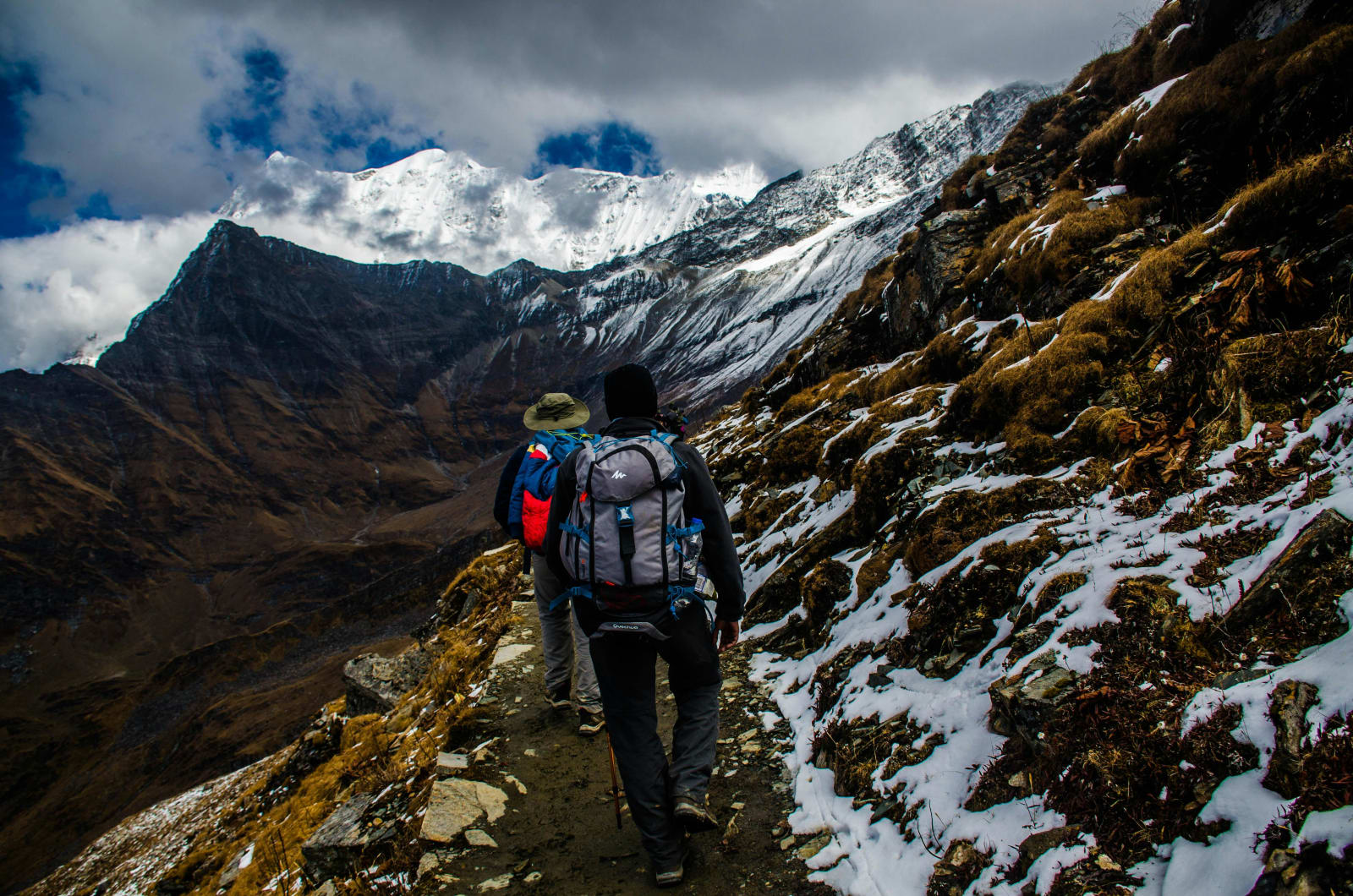
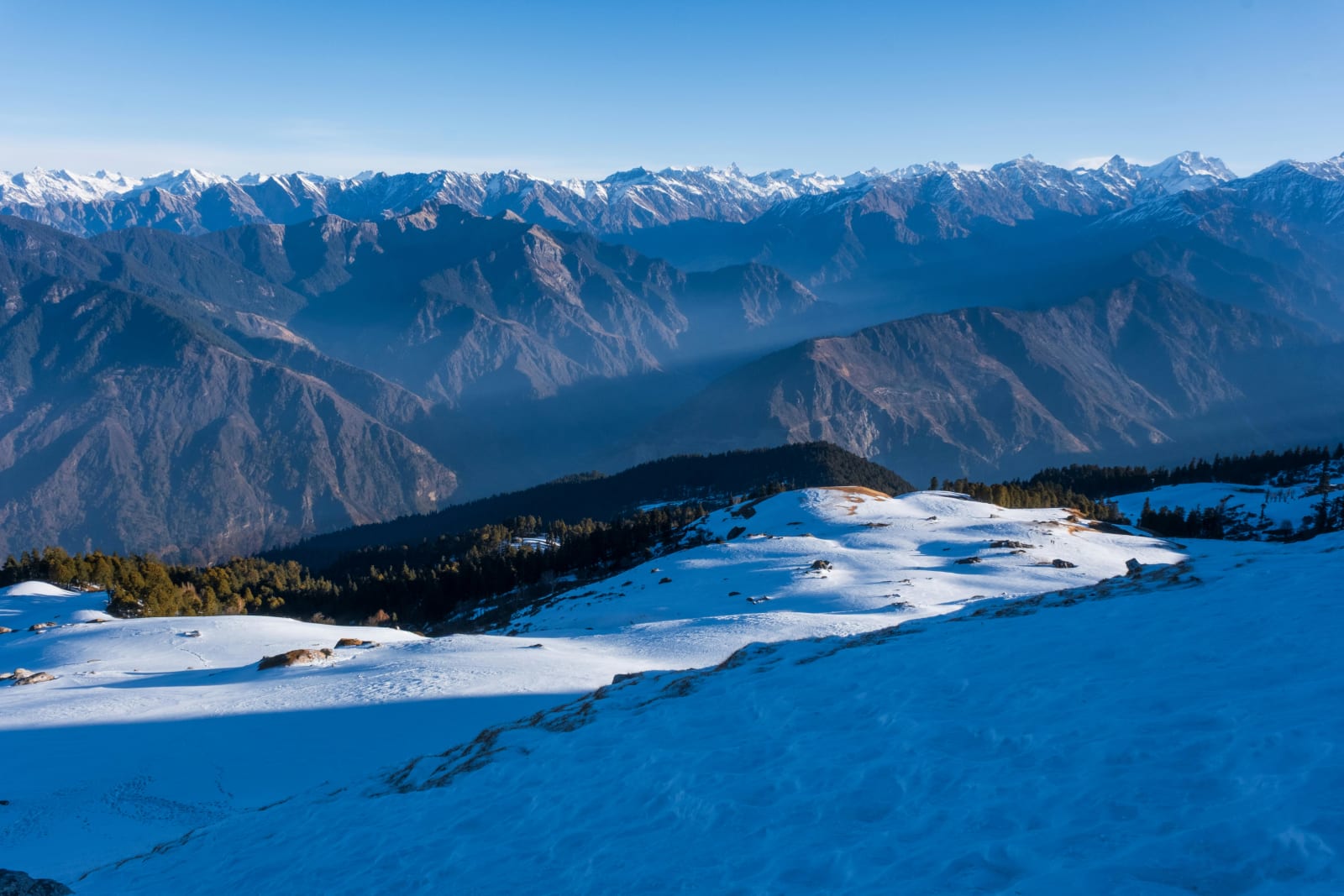
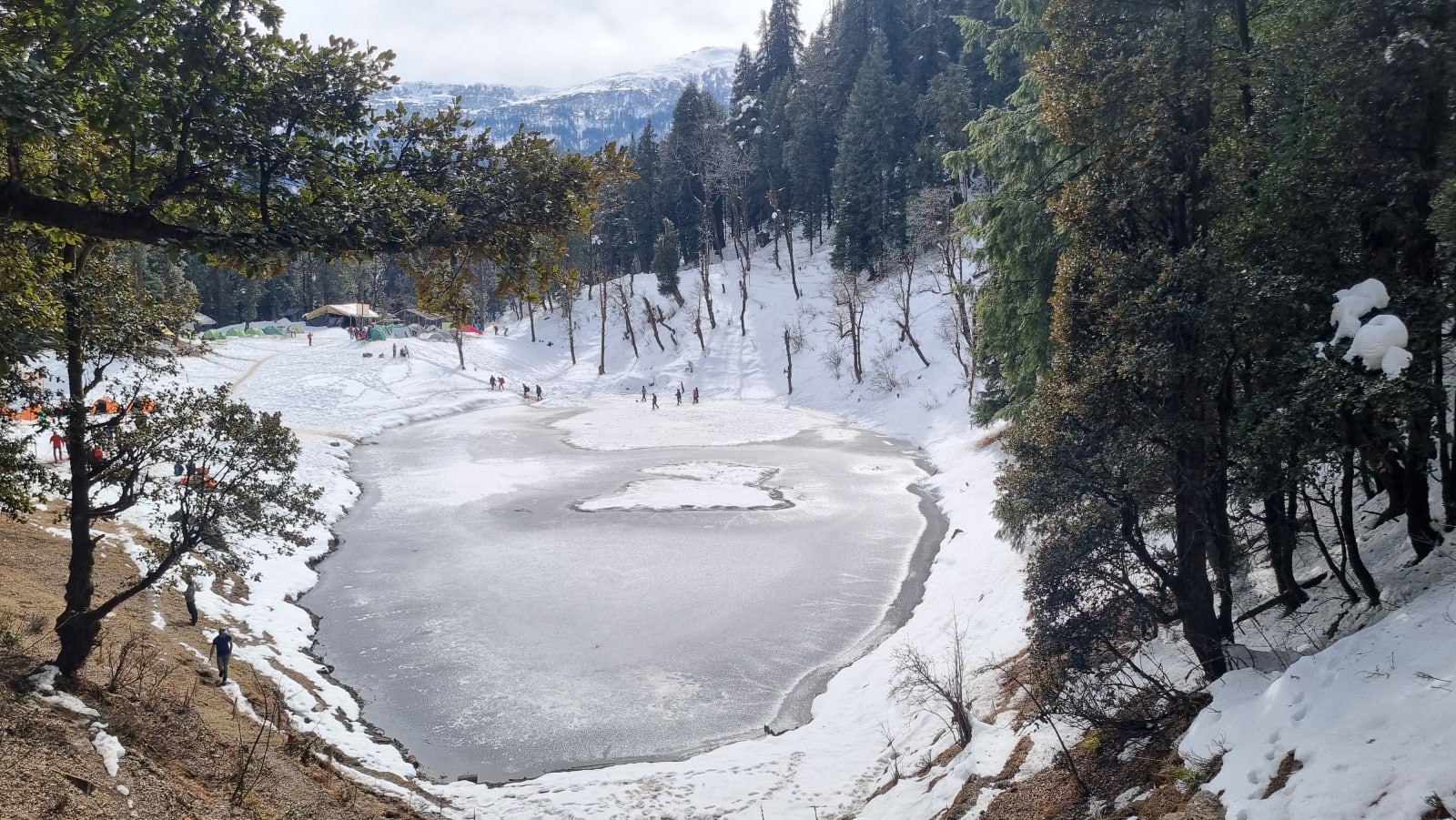
Kedarkantha is the most popular winter trek in Uttarakhand, and for many people it's their first Himalayan summit. The trail starts from the village of Sankri and climbs gently through deep pine and oak forest, past the frozen clearing of Juda ka Talab, before opening onto a ridge that ends at the 12,500 ft summit — a 360° wall of snow peaks at sunrise.

What makes it special:

  • A genuine snow summit that's still achievable for first-timers, on a gradual, well-marked trail
  • The frozen lake at Juda ka Talab and forest campsites blanketed in fresh snow through winter
  • Summit views stretching across Swargarohini, Bandarpunch, Kala Nag and the Gangotri range

It's one of the few treks that delivers a true alpine summit on a beginner-friendly gradient — which is exactly why it fills up every December to April.

Getting There

The trek begins at Sankri, a Himalayan village inside the Govind Wildlife Sanctuary, about 190 km from Dehradun — a scenic 7–8 hour drive through Mussoorie, Purola and Mori. Dehradun is the rendezvous point: Jolly Grant Airport and the Dehradun railway station are the nearest air and rail links, both well connected to Delhi.

Most operators run a shared pickup from Dehradun early in the morning so you reach Sankri by evening. Because the trail passes through the Govind Wildlife Sanctuary, a forest entry permit is required — operators arrange this at the Sankri check-post (note that drones are not allowed anywhere in the sanctuary). Carry a government photo ID for the checkpoint.

FAQs

When's the best time to do Kedarkantha? +
December to April is the window. January–February gives you guaranteed deep snow — this is when most people book. May–June is green and bug-free but you lose the snowy summit experience. Avoid July–September (monsoon) and October–November (slushy transition).
How fit do I need to be? +
Moderately fit. If you can climb 5–6 flights of stairs in one go without your heart racing, you'll be okay. Daily walking distance is 6–10 km with gradient. 4–6 weeks of cardio prep — stairs, jogging, or cycling 30 min/day — is the realistic ask.
Will I get altitude sickness? +
Possible but uncommon. Max altitude is 12,500 ft and the ascent is gradual over 3 days. Drink at least 4L/day, eat your meals fully, and flag any persistent headache to your guide early. Diamox 250mg twice a day from Day 1 helps if you're sensitive — check with your doctor first.
Is it suitable for first-time trekkers? +
Yes — this is the most-recommended starter Himalayan trek for a reason. The gradient is gentle, the trail is well-marked, bailout points exist every few hours, and basecamp at Sankri has full evacuation support if needed.
What do I pack for the cold? +
Down jacket rated to -10°C, 3 base layers (no cotton), woollen socks (2 pairs), waterproof gloves, balaclava, and trekking shoes already broken in for 50km+. Full gear rental is available at Sankri basecamp for ₹400–500/day if you don't own.