




Rudranath Trek
About
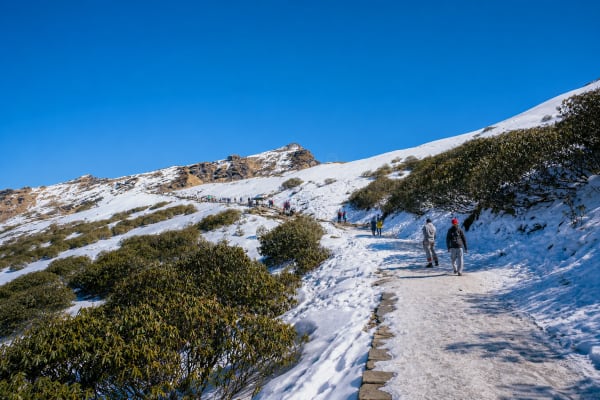
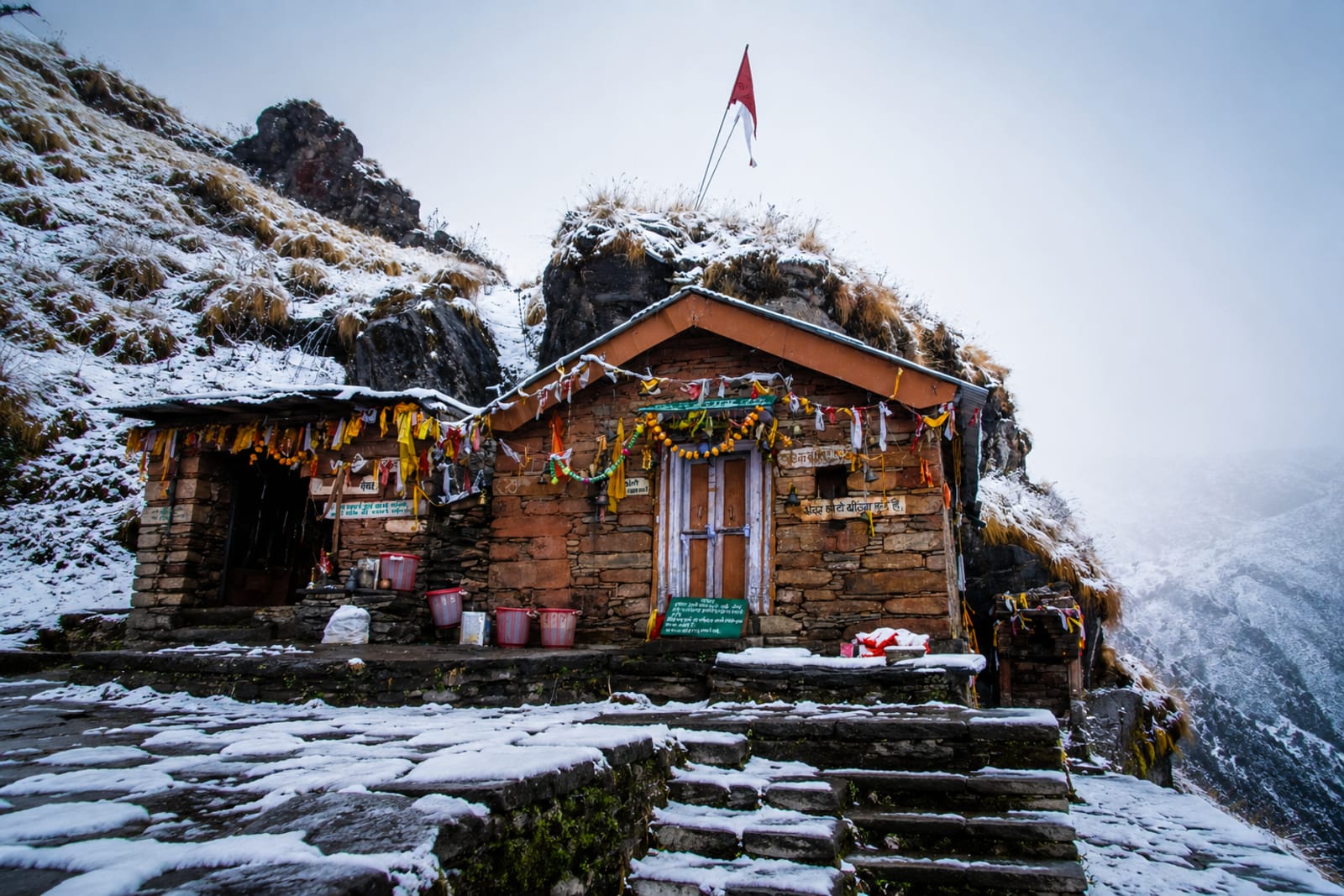
Rudranath is one of the Panch Kedar temples dedicated to Lord Shiva, nestled at an altitude of nearly 3,600 meters in the Chamoli district of Uttarakhand. Unlike the more commercialized Himalayan treks, Rudranath remains raw, remote, and refreshingly untouched by heavy tourist footfall. The trail begins from Sagar village and winds through dense oak and rhododendron forests, alpine meadows, and rugged ridgelines before opening up to reveal the temple set against a stunning backdrop of snow-capped peaks like Nanda Ghunti, Trishul, and Chaukhamba. The journey is as much spiritual as it is scenic, blending pilgrimage with pure wilderness adventure. The temple itself, carved into a rock face, has a mystical charm that makes the effort of the climb feel deeply rewarding.
What makes it special:
- Home to one of the sacred Panch Kedar temples dedicated to Lord Shiva.
- The only Panch Kedar shrine where Lord Shiva's face is worshipped in its natural rock form.
- Spectacular views of Nanda Devi, Trishul, Nanda Ghunti, and other Himalayan peaks.
- A quieter, less-commercialized trek offering true Himalayan solitude.
- A unique blend of spiritual significance, Garhwali culture, and high-altitude adventure.
Getting There
Rudranath trek begins from Sagar village, located near Gopeshwar in Chamoli district, Uttarakhand. To reach Sagar, the nearest major railway station is Rishikesh, roughly 200 km away. Alternatively, Dehradun's Jolly Grant Airport is the closest air hub, about 220 km from Sagar. From Rishikesh or Dehradun, regular buses and shared taxis run towards Gopeshwar via Rudraprayag and Chamoli town, taking approximately 8-9 hours by road. From Gopeshwar, Sagar village is just a short 30-40 minute drive. It's advisable to start early from Rishikesh to reach Sagar by evening, rest overnight, and begin the trek fresh the next morning. Private cabs can also be hired directly from Rishikesh or Haridwar for a more comfortable, direct journey.