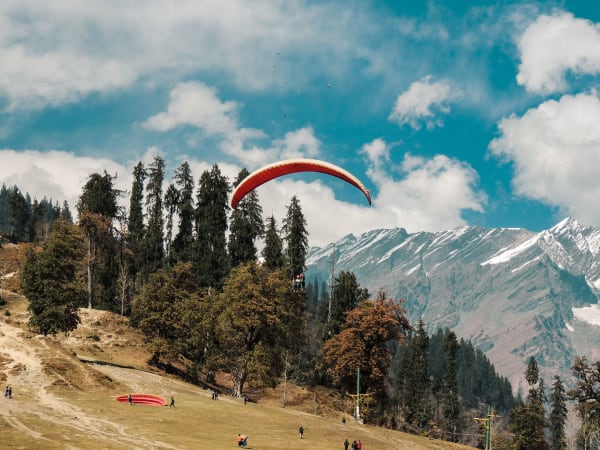
There’s a single second — right before the raft drops into the rapid, right after your feet leave the platform — where your brain goes completely quiet. No emails. No worries. Just the next half-second and whether you survive it. That silence is the drug. It’s why people who try one extreme sport rarely stop at one.
But here’s the thing nobody tells you when you’re chasing that first hit of adrenaline: thrill and adventure are not the same word. Thrill is the spike. Adventure is what you build around it once the spike alone stops being enough.
The thrill phase
Everyone starts here, and there’s nothing wrong with it. You want the biggest rapid, the highest jump, the steepest line. The fear is the point. This is the stage where most people discover what an adventure sport actually feels like in their body — the dry mouth, the loud heart, the stupid grin afterwards.
The trap of the thrill phase is that it scales badly. Bigger, higher, faster — eventually you run out of “bigger,” or you get hurt chasing it. The people who last are the ones who quietly graduate to something deeper.
The adventure phase
Adventure is thrill plus context. It’s the same rapid, but now you understand the water. It’s the same summit, but now you’ve earned the view across three days instead of buying it in three minutes.
This is where the outdoors stops being a vending machine for adrenaline and starts being a place you belong. A few things change when you cross over:
- You start caring about skill, not just survival.
- You read the weather instead of ignoring it.
- You pick operators by how safe they are, not how cheap they are.
- The story you tell afterwards is about the place, not just the drop.
The mountain doesn’t care how brave you are. It rewards the people who respect it and quietly removes the ones who don’t.
Chasing the edge without losing your head
The whole sport — the entire culture of risk-based recreation — runs on one unglamorous idea: managed risk. Not no risk. Managed risk. The pros aren’t fearless; they’re just very good at knowing which fears to listen to.
If you’re just starting out, the move is simple: start small, go with vouched operators, and build the skill before you buy the thrill. If you want a soft on-ramp, our beginner-friendly adventures are a good place to find your first real one.
The edge will always be there. The goal is to keep showing up to meet it — for years, not for one reckless season.